

How to save money on gas: improving fuel efficiency
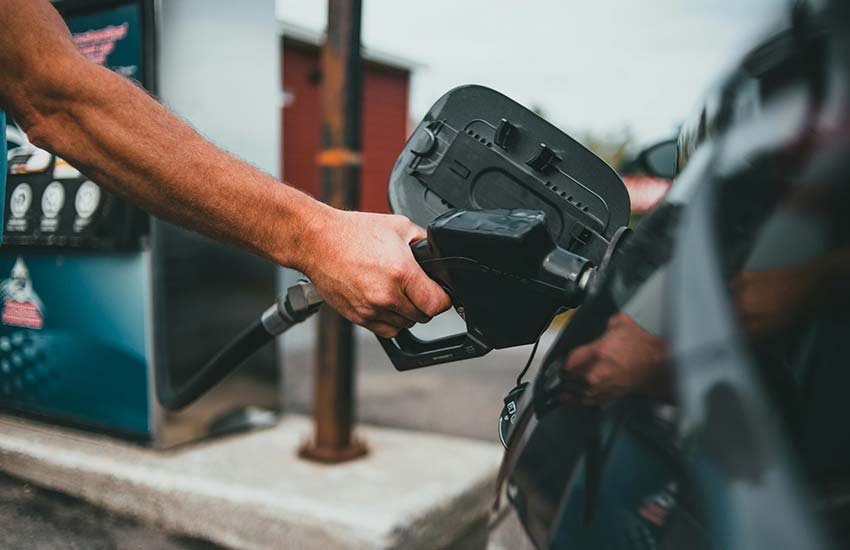
Maintaining your car is not just about ensuring it looks good; it’s also about keeping it running smoothly and safely. Regular maintenance can prevent unexpected breakdowns, extend the life of your vehicle, and even save you money in the long run. Whether you’re a seasoned driver or a novice, this ultimate guide to basic car maintenance will equip you with the knowledge you need to keep your car in top condition.
Introduction
Car maintenance might seem daunting, but it doesn’t have to be. With a few simple checks and some basic knowledge, you can handle most of the routine tasks yourself. In this guide, we’ll cover essential maintenance tips, including oil changes, tire care, fluid checks, and battery maintenance. By the end of this post, you’ll have a solid understanding of how to keep your car running smoothly and safely.
1. Regular oil changes
Regular oil changes are crucial for keeping your engine running smoothly. Oil lubricates the engine’s moving parts, reduces friction, and helps to dissipate heat.
How to check and change your oil
- Park your car on a level surface and turn off the engine.
- Locate the oil dipstick and pull it out.
- Wipe the dipstick clean, reinsert it fully, then pull it out again to check the oil level.
- If the oil is below the recommended level, it’s time to add more or change it.
Steps to change your oil:
- Gather necessary tools: oil filter, wrench, oil drain pan, funnel, and new oil.
- Warm up your engine for a few minutes, then turn it off.
- Place the drain pan under the oil plug and remove the plug to drain the old oil.
- Replace the oil filter.
- Reinstall the drain plug and add new oil using the funnel.
- Check the oil level again to ensure it’s correct.
Regularly changing your oil ensures that your engine remains lubricated and operates efficiently.
2. Tire maintenance
Proper tire maintenance is essential for safety, fuel efficiency, and extending the life of your tires.
Checking tire pressure
- Find the recommended tire pressure in your owner’s manual or on the driver’s side door frame.
- Use a tire pressure gauge to check the pressure when the tires are cold.
- If the pressure is low, add air until it reaches the recommended level.
Tire rotation and alignment
- Rotate your tires every 6,000 to 8,000 miles to ensure even wear.
- Check your tire alignment if you notice uneven tire wear or your car pulling to one side.
Maintaining proper tire pressure and regularly rotating your tires can improve fuel efficiency and extend tire life.
3. Fluid checks
Your car relies on various fluids to operate smoothly, including coolant, brake fluid, power steering fluid, and transmission fluid.
Checking and topping off fluids
- Coolant: check the coolant level in the reservoir when the engine is cold. Add coolant if necessary.
- Brake fluid: locate the brake fluid reservoir and check the level. If it’s low, top it off with the recommended brake fluid.
- Power steering fluid: find the power steering fluid reservoir, check the level, and add fluid if needed.
- Transmission fluid: with the engine running and the car in park, check the transmission fluid dipstick. Add fluid if it’s low.
Fluid feplacement intervals
- Coolant: replace every 30,000 miles.
- Brake fluid: replace every 45,000 miles.
- Power steering fluid: replace every 75,000 miles.
- Transmission fluid: replace every 60,000 miles.
Regularly checking and maintaining fluid levels ensures that your car’s systems operate effectively and helps prevent costly repairs.
4. Battery maintenance
A well-maintained battery ensures that your car starts reliably and runs smoothly.
Checking battery condition
- Inspect the battery terminals for corrosion. Clean them with a mixture of baking soda and water if necessary.
- Check the battery cables for any signs of wear or damage.
- Test the battery voltage with a multimeter. A fully charged battery should read around 12.6 volts.
Tips for extending battery life
- Turn off all lights and accessories when the engine is off.
- Avoid short trips that don’t give the battery enough time to recharge.
- Keep the battery clean and secure.
Proper battery maintenance can prevent unexpected breakdowns and extend the life of your battery.
Conclusion
Maintaining your car doesn’t have to be complicated or time-consuming. By performing these basic maintenance tasks, you can ensure that your vehicle runs smoothly, safely, and efficiently. Regular oil changes, tire care, fluid checks, and battery maintenance are all simple tasks that can have a significant impact on your car’s performance and longevity.
We hope you found this guide helpful! Do you have any car maintenance tips or experiences you’d like to share? Leave a comment below and join the conversation.

Aute mi ut suspendisse velit leo, vel risus ac. Amet dui dignissim fermentum malesuada auctor volutpat, vestibulum ipsum nulla.
Sed reprehenderit quam, non felis, erat cum a, gravida lorem a. Ultricies in pellentesque ipsum arcu ipsum ridiculus velit magna, ut a elit est. Ultricies metus arcu sed massa. Massa suspendisse lorem turpis ac.
Massa suspendisse lorem turpis ac. Pellentesque volutpat faucibus pellentesque velit in, leo odio molestie, magnis vitae condimentum.